Prepare and Protect: Your Tree Care Checklist for Brisbane
November in Brisbane marks a critical transition. We are firmly in late spring, heading straight into the high-growth and high-risk period of summer and storm season. The subtropical heat is ramping up, and with it comes a burst of plant growth, but also the rapid spread of pests and diseases that thrive in warm, humid conditions.
We know that proactive care in November is the key to ensuring your trees not only survive the coming summer but thrive through it. Here is the essential arborist checklist to keep your Brisbane property safe and your trees healthy.
- Pre-Storm Pruning: Mitigate the Risk
The most urgent task in November is preparing for the unpredictable storms that characterise a South-East Queensland summer. High winds and torrential rain are a major hazard, especially to poorly structured, dead or dying trees.
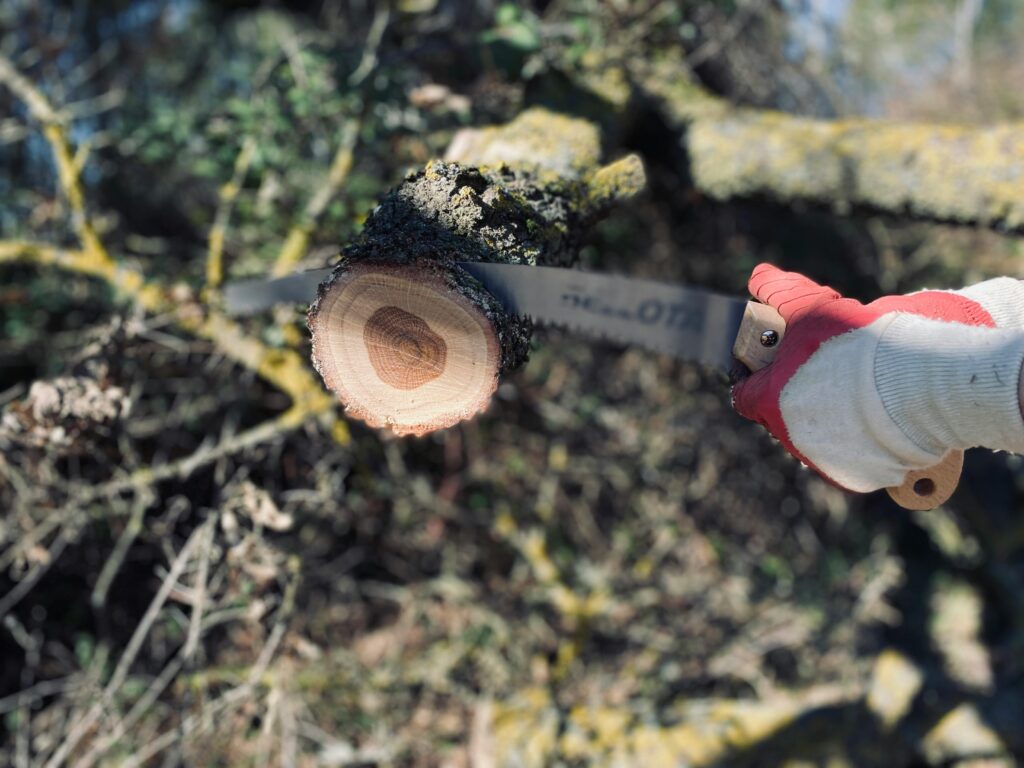
- Remove Deadwood: Branches that have died off are weak spots and are the first to break off, potentially causing property damage or injury.
- Canopy Thinning: For large trees like Gum Trees and Poincianas, thinning the interior canopy allows wind to pass through the tree instead of pushing against a dense surface, significantly reducing the risk of uprooting or dangerous limb drops.
- Clear Hazards: Any branches overhanging your roof, garage, or power lines should be addressed now. Don’t wait for a storm to force an emergency call.
- Pest & Fungal Alert: The Humidity Handoff
November’s humidity is a perfect breeding ground for fungal diseases and pests. Early detection is your best defence.
- Frangipani Rust: If you have Frangipanis, November is the peak season for rust, a common fungal disease that deposits orange, rusty-coloured spores on the underside of leaves. While it won’t kill the tree, it makes it unsightly. Our Tip: Promptly rake up and remove any fallen, infected leaves from the garden (do not home-compost them) and consult with us about a targeted fungal treatment.
- Sooty Mould & Scale: Look for a black, sooty coating on the leaves of your trees and shrubs. This is a tell-tale sign of an underlying pest problem like scale, aphids, or psyllids, which excrete a sugary substance called “honeydew” that the mould feeds on. If you spot this, professional pest treatment is required to eliminate the underlying insect issue.
- Deep Hydration and Mulch Management
As temperatures rise, water loss increases dramatically. Ensuring your trees have adequate water and protection in the root zone is crucial for resilience against heat stress.
- Refresh Mulch: Ensure you have a generous layer of organic mulch (not chipped/shredded Oleander, please!) around the base of your trees. This helps retain soil moisture, regulates soil temperature, and suppresses weeds competing for resources. Crucially: Keep the mulch a few centimetres away from the tree trunk to prevent collar rot.
- Deep Watering: If we experience a dry patch, water deeply and less frequently rather than shallowly every day. Deep watering encourages the roots to grow downwards, making the tree more resilient to dry spells.
By addressing these three key areas in November, you are giving your trees the best possible chance to weather the high-intensity growth and storm season ahead. Don’t risk DIY mistakes or missing subtle signs of disease. Contact Eco Tree Services today for a professional November Tree Health and Hazard Assessment, we’re here to help preserve the health, safety, and beauty of your Brisbane landscape.
Need help or have any questions? Don’t hesitate to get in touch with Ecological Tree Services or call on 07 3520 8661.
-Alex the Arborist