Tree Diseases in Autumn and What To Do About Them
You might notice your trees starting to look a bit off as the seasons change. Leaves discolour, patches appear on branches, or growth seems to slow down; these are both normal reactions to Autumn and possible early symptoms of disease. Autumn creates the perfect conditions for certain tree diseases to take hold, especially with lingering moisture and mild temperatures.
Understanding what to look for can make all the difference to your trees. Early detection allows for treatment before the problem spreads, either to the rest of the tree or to your other trees. This is yet another reason why regular arborist inspections are so important during this time of year.
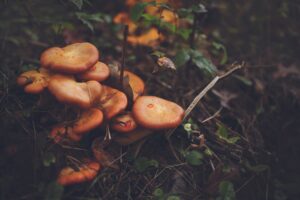
One of the most common issues for trees in Autumn is fungal diseases. Fungi thrive in warm, damp conditions, making South-East Queensland particularly vulnerable after the wet season. You might notice mushrooms or fungal growth around the base of the tree, which can indicate internal decay that damages the internal structure of the tree. It may also affect the root system, so everything in charge of holding the tree up weakens or rots completely.
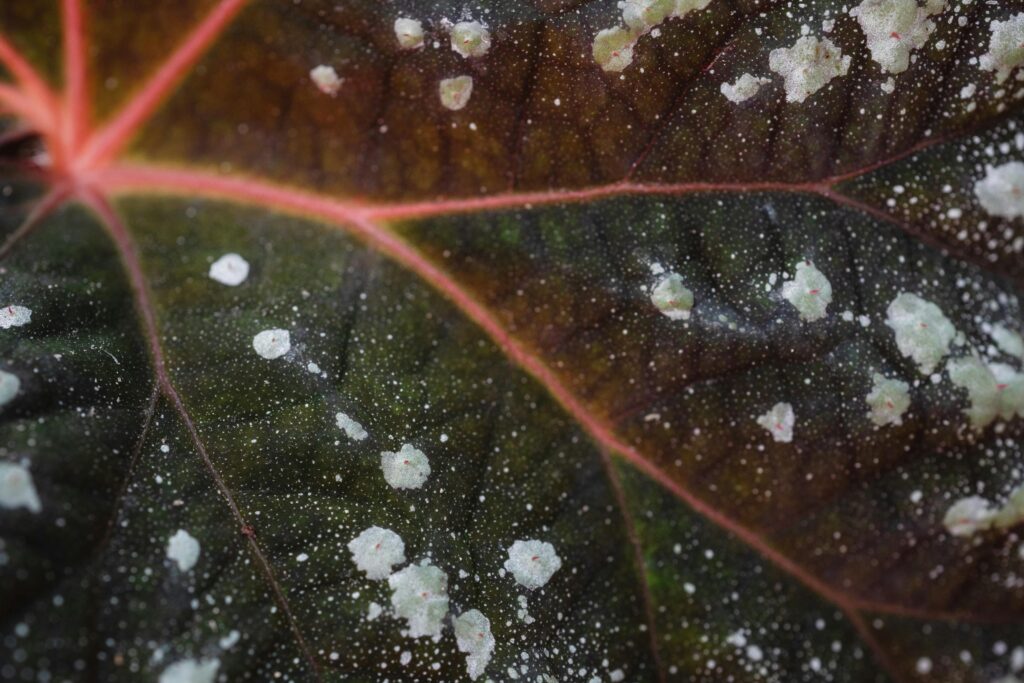
Leaf-related diseases are also common. They’ll become discoloured, spotted, or curled. This can point to infections such as leaf spot or blight. These conditions often spread quickly if not managed early, so while a few damaged leaves might not seem like a big concern, widespread leaf damage can affect the tree’s ability to photosynthesise and stay healthy.
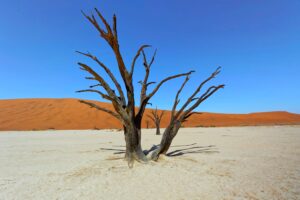
Another issue to watch for is dieback, where branches start to lose leaves and gradually die off over time. Dieback can be caused by a range of factors, including pests, environmental stress, or underlying disease. It’s the premature death of twigs, branches, and eventually the whole tree. Dieback is often a sign that the tree is struggling internally, even if the rest of the tree still looks relatively healthy.
In some cases, pests and diseases go hand in hand. Insects can weaken trees and create entry points for infection. This is why tree disease is not always a straightforward diagnosis for the average person. It often requires a trained eye to identify the root cause and recommend the right treatment.
So, what should you do if something looks off? Step one: Do not ignore it!
Tree diseases rarely improve without intervention, and delays can lead to more extensive damage or even the need for removal.
Step two, consider getting in touch with a professional arborist who can assess the tree, identify the issue, and recommend a plan of action. This might include pruning affected areas, improving soil conditions, or applying targeted treatments.
Autumn is a critical time for monitoring tree health. Get to know your trees and pay attention to what they look like normally, so you know when something is off.
Need help or have any questions? Don’t hesitate to get in touch with Ecological Tree Services or call on 07 3520 8661.
-Alex the Arborist