What’s Killing Your Trees? Common Causes in Brisbane
It starts with something small.
Just a few yellow leaves here. A branch that doesn’t seem to have any new growth there. Maybe your tree just doesn’t look as healthy as it used to.
Many homeowners assume a struggling tree will eventually bounce back on its own, and sometimes that does happen, but unfortunately, it’s not always the case. Trees often give subtle warning signs long before they become unsafe or die completely. Some trees are lucky and with some extra nutrients and watering, they build up immunity and get better. Others, don’t make it.
Knowing what to look for can make all the difference in helping your trees survive.
Too Much or Too Little Water
Brisbane’s weather has a habit of swinging between heavy rainfall and dry spells. Both extremes can put trees under stress. Stressed trees often fall ill.
Waterlogged soil can suffocate roots by preventing oxygen from reaching them, while extended dry periods leave trees struggling to access enough moisture. Either situation can lead to poor growth, leaf drop and declining health.
Putting your finger into the soil about a knuckle deep will help you know if your tree needs more water or less. If the soil is wet, stop watering, if its dry, start watering.
Root Damage
A tree’s root system is its lifeline, but because it’s under the surface, the root system can be damaged without homeowners even realising it.
Construction work, trenching, paving projects, repeated vehicle traffic and even excessive soil compaction can all damage roots. Once roots are compromised, the tree may slowly begin to decline over several months or even years.
Pests and Disease
Brisbane’s warm, humid climate creates ideal conditions for many pests and fungal diseases.
Borer insects, scale insects and fungal infections can weaken trees over time, especially if they’re already stressed by drought or poor soil conditions.
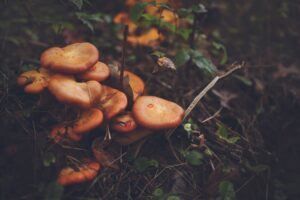
Signs may include discoloured leaves, dying branches, fungal growth around the base of the tree or unusual holes in the trunk. Pests and diseases are best treated by professionals as they know what to look out for.
Poor Soil Health
Healthy trees start with healthy soil. The soil is one of the most essential needs for the tree.
If the soil lacks nutrients or becomes compacted, roots struggle to absorb everything they need to support healthy growth. In some cases, simply improving soil conditions can dramatically improve a tree’s health.
Mulching correctly, aerating the soil to reduce soil compaction and feeding the tree when necessary all help create stronger, healthier growth.
Storm Damage
Not all storm damage is immediately obvious.
Strong winds can crack branches, split trunks or damage root systems without causing the tree to fall over. Sometimes the real damage is hidden deep inside the tree and only becomes apparent months later as branches begin to die back.
That’s why a post-storm inspection for your trees is worthwhile, even if your tree appears fine from the ground.
Don’t Ignore the Early Signs
Trees are remarkably resilient, but they can’t fix every problem or fight every pest on their own.
If you’ve noticed ongoing leaf loss, dead branches, mushrooms around the base, leaning, cracks or changes in the canopy, it’s worth having the tree professionally assessed before the problem becomes more serious.
Catching issues early often gives you more options for treatment and can help avoid unnecessary removals later on.
After all, healthy trees don’t just happen. They need the right conditions, a little care and sometimes a helping hand.
Need help or have any questions? Don’t hesitate to get in touch with Ecological Tree Services or call on 07 3520 8661.
-Alex the Arborist