How Trees Affect Your Property Value, The Good & The Bad
When we think of property value, we usually picture things like updated kitchens, curb appeal, and maybe even solar panels. But what about the trees on your property? As it turns out, they play a much bigger role than most homeowners realise.
Trees can add to your property’s value, or detract from it, depending on how healthy, safe, and well-placed they are. So, if you’re thinking of selling, renovating, or just want to make smart long-term choices for your home, here’s everything you need to know.
The Pros:
Street Appeal
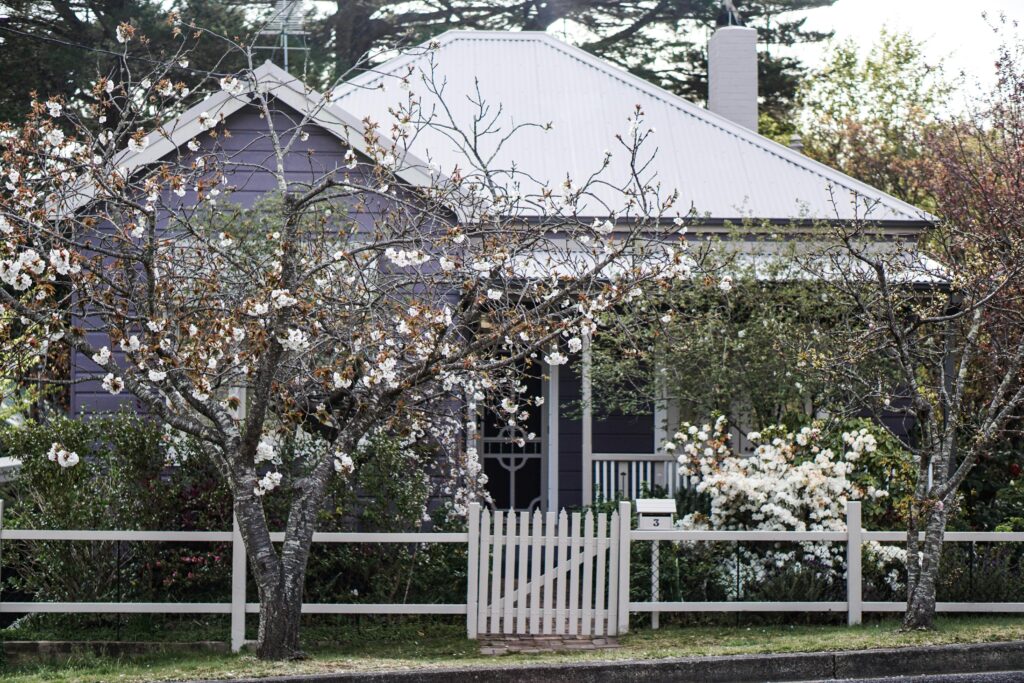
A beautiful, mature and established tree at the front of a home is often the first thing people notice and first impressions count. Homes with attractive landscaping and established greenery tend to feel more “complete,” well-maintained, and inviting. This does, however, depend on the type of tree planted as some trees offer a more modern feel than others.
Shade & Cooling
In our hot climate, large shade trees can make a big difference. A strategically placed tree can help reduce the temperature significantly, lowering your home’s cooling costs, making outdoor areas more usable in summer, and even protecting your lawn and garden beds from harsh sun.
Privacy Without Fencing
Trees can provide natural screening, reducing noise from neighbours or busy roads and giving you a bit of seclusion, without feeling like you’re in prison. This is something many buyers really value.
Environmental Appeal
More and more buyers are looking for homes that reflect sustainable living. Trees help clean the air, support biodiversity, and offer habitat for native birds and insects. Eco-conscious landscaping can give your home an edge in the market.
The Cons:
Root Damage
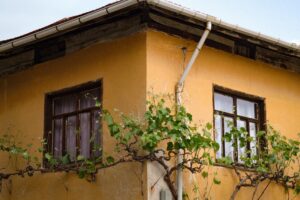
Trees planted too close to buildings, fences or driveways can cause structural issues. Roots may crack paving, lift concrete, damage foundations and interfere with underground plumbing. Buyers could be put off by visible root damage or the potential cost of repairs later, if a tree is too close to the structure.
Blocked Views & Poor Light
While shade is great, too much of it can make a home feel dark and enclosed. Overgrown trees that block natural light or desirable views (like the city skyline or mountain ranges) can reduce appeal. Too much chase also makes planting anything else quite difficult as many flowering plants require access to sunlight.
Leaf Litter & Mess
Not everyone wants to rake leaves every week or clean out gutters clogged with debris. Some species are particularly messy, dropping leaves, needles, fruit, flowers or sap year-round. This can be a turn-off for potential buyers.
Safety Hazards
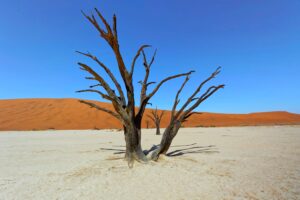
Large dead branches, signs of rot, or a tree that’s clearly leaning toward a house or fence can raise red flags for buyers. It’s not just an eyesore, it’s a potential risk.
The key takeaway? It’s not whether you have trees, it’s whether they’re healthy, well-managed, maintained and in the right spots.
Regular pruning, safe distance from structures, proper species selection, and removing problem trees when needed all contribute to a well-balanced, low-maintenance landscape that adds real value.
If you’re thinking of selling or renovating, before you list your home or get stuck into landscaping plans, it’s worth having your trees professionally assessed. At Ecological Tree Services, we can help you identify high-risk trees, suggest smart species to plant, and keep your existing greenery in top condition.
A healthy, beautiful tree can be an asset. A neglected one can be a liability.
Need help or have any questions? Don’t hesitate to get in touch with us or call on 07 3520 8661.
-Alex the Arborist