More Than A Pretty Face: A Guide to Brisbane’s Most Common Poisonous Plants
The lush, vibrant environment of Brisbane is one of the best things about living here. As qualified arborists, we spend our days caring for the city’s wonderful trees, and plant life. From the smallest shrubs to the grandest Poincianas.
However, sometimes the most beautiful elements of our gardens can be deadly. While most plants are harmless, some common flora can pose a serious risk to children, pets, and even adults if ingested.
This guide will help you identify some of the most concerning poisonous plants in our region and explain how professional management is crucial for peace of mind.
The Hidden Dangers in Your Garden
The Queensland Poisons Information Centre handles many calls related to plant ingestion every year. The list of toxic plants is extensive, but a few species are so common in Brisbane gardens that every homeowner should be aware of them.
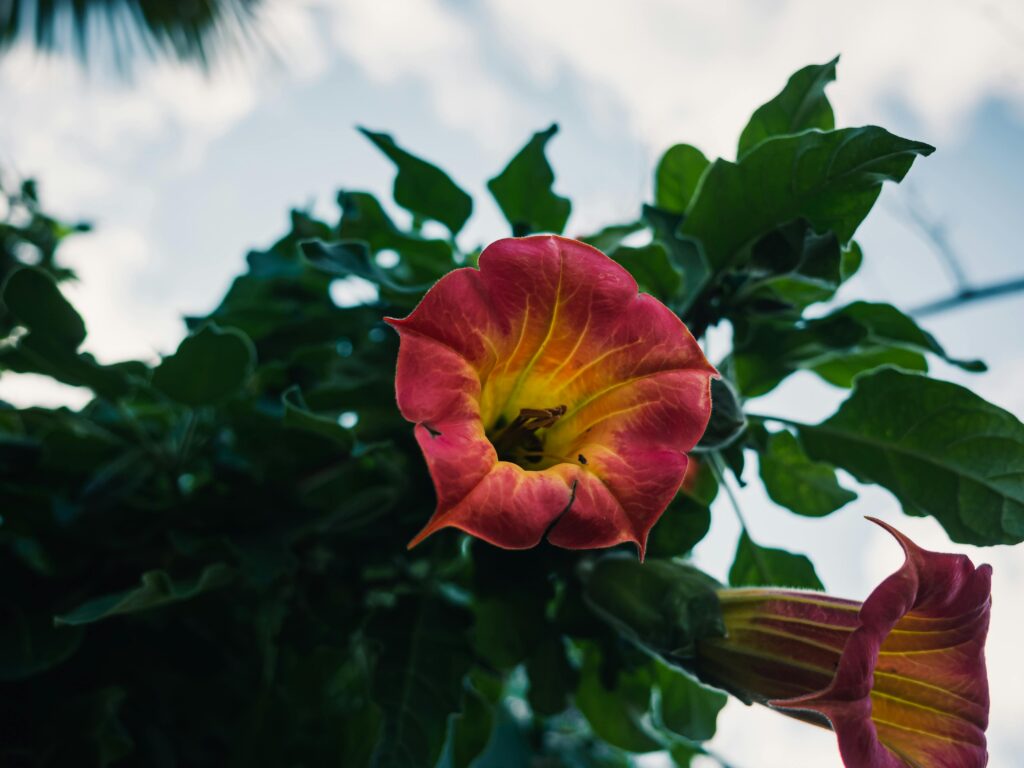
One of the most frequent culprits is the Oleander (Nerium oleander). Every part of this visually appealing, hardy shrub is highly toxic, and ingestion can lead to serious cardiac issues. Another one to watch out for is the beautiful but deadly Angels Trumpet (Brugmansia species). Often grown for its striking trumpet-shaped flowers, all parts of this plant contain dangerous tropane alkaloids.
Even common hedges like Duranta or popular indoor plants like Mother-in-Law’s Tongue (Sansevieria trifasciata) and Lillies (especially toxic to cats) present varying degrees of risk. If you have young children or pets, a qualified arborist can help you identify and safely manage or remove any known toxic plants from easily accessible areas of your yard to keep your family safe.
Spotlight on a Serious Threat: Deadly Nightshade
Beyond ornamental plants, we often deal with invasive species that are particularly hazardous. According to the Brisbane City Council, a highly toxic weed to watch out for is the Deadly Nightshade (Solanum pseudocapsicum), sometimes called Winter Cherry.
This is an invasive species, often mistaken for a common, harmless shrub. It’s characterised by its small, round, tomato-like berries that are particularly attractive to kids. All parts of the Deadly Nightshade are poisonous, and the berries contain a toxin that can lead to severe gastrointestinal upset and neurological symptoms. Because this plant is highly invasive and difficult to eradicate once established, simple pruning isn’t enough. Professional removal is often necessary to ensure the entire plant, including the roots, is destroyed safely and without risk of spreading or recurrence.
Safety First: What to Do and How We Can Help
Knowing which plants are dangerous is the first step, knowing what to do in an emergency is essential. If you suspect that a child, adult, or pet has ingested any part of a poisonous plant, do not wait for symptoms.
Contact the Australian Poisons Information Centre immediately at 131 126. Take a photo or (without touching it) collect a sample of the plant for identification if you can do so safely.
For pets, contact your veterinarian immediately.
At Eco Tree Services, our team of fully qualified and insured arborists is dedicated to maintaining the health and safety of your Brisbane property. Whether it’s identifying and removing a dangerous, overgrown hedge like Oleander, or performing a meticulous, root-level removal of invasive species like Deadly Nightshade, we ensure the job is done expertly. Don’t leave your family’s safety to chance get the peace of mind that comes with professional management.
Call us today for a free quote on hazard assessment and safe removal in the Greater Brisbane area. Need help or have any questions? Don’t hesitate to get in touch with Ecological Tree Services or call on 07 3520 8661.
-Alex the Arborist